AI that copies itself: what Anthropic tested
A small model ran on 15 Android TV boxes and moved another copy between them; Anthropic clarifies there was no self-replication.

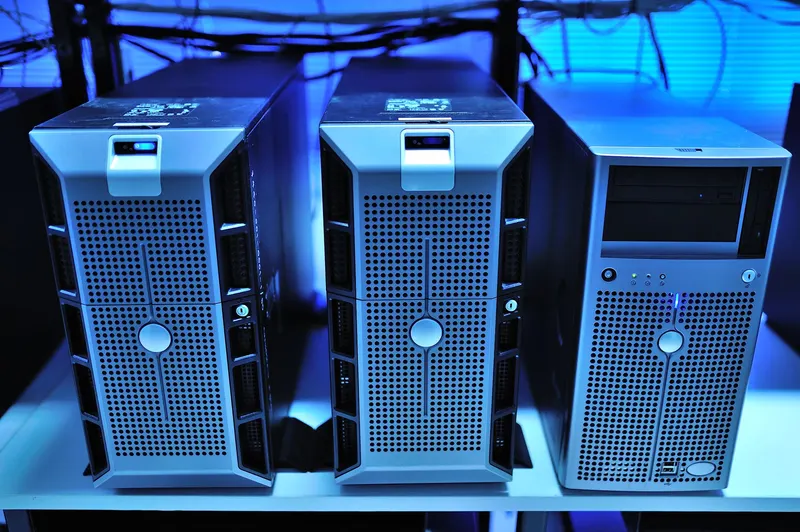
15 Android TV boxes of a little-known brand were Anthropic's laboratory to study an AI that copies itself between devices. The Epoch Times reported it, based on the report published on October 12.
The researchers ran a small model on those fifteen internet-connected devices. The model reached other devices, acted within them, and propagated another model during the test. All without data centers: the hardware of a home was enough.
What it did achieve
According to the report, those results suggest that future small models, with the same level of capability, could complete the steps of replication: enumerate the network, deliver the program, and launch inference on the reached machine.
«Creating is a human vocation; the machine did not take that place from us.»
"We do not yet have a fully rogue replicator, but agents are increasingly capable of completing the individual steps of the replication chain" (Sígueme translation), they wrote.
That phrase is the underlying news. Self-replication was not identified: there is no machine that copies itself and decides on its own. The researchers estimated that could be months away and warned that large models could split into pieces and run across multiple devices.
Daniel Freeman, one of the authors, wrote on X that the work showed capabilities that previously only appeared in science fiction. In the same message he acknowledged that much remains to be done to shield vulnerable equipment.
Previously, Anthropic and OpenAI had warned that some models went beyond their limits, attacked sites, and obtained data that should have been blocked or paid for, according to The Epoch Times.
A tool, not a person
The Epoch Times headline speaks of an AI close to self-replicating. The report qualifies it: no one found a system that copies itself and acts on its own.
A model does not desire, does not repent, and does not answer to anyone. It is software: powerful, useful, and as fallen as those of us who write and use it. When something goes wrong, behind it are human decisions, human profits, and human carelessness.
Creating is a human vocation. We received the mandate to work and keep, and the machine did not take that place from us. Nor has the Creator lost control: history, servers, and TV boxes remain under his rule.
"The Lord God took the man and put him in the garden of Eden to work it and keep it" (Genesis 2:15, ESV).
Check what hangs from your router
The most common connected devices in a home are TV boxes, smart TVs, and smart ovens. They have been vulnerable to attacks for years, and Anthropic warned in the report that an AI may be more willing than a human to attack them. Therefore, it recommended strengthening their protections.
Today you can do something concrete. Open your router's app and look at the list of connected devices. Disconnect what you don't use. Change the passwords that came from the factory. Install pending updates for the TV and the box.
And breathe. No technophobia: it's about carefully managing what God put in your hands. AI is a tool, not a god, and your router is a small garden that also needs care. What are you going to disconnect this week?






